There is a lot of information floating around about fertilizing orchids, but much of it is wrong. For example, the whole concept of “orchid fertilizer” is a myth because there is no such thing.
It’s time that orchid growers understand fertilizers better. It will benefit your plants and save you money.
Cactus are very weird plants. They almost never have leaves. They sit there and do nothing for a good part of the year. They don’t flower – or do they? If you are old enough to remember all of the cowboy movies on TV, you are sure to know that you can always stop by a cactus and get a drink.
My first foray into horticulture was a collection of over 100 different cactus, under lights in my bedroom. At that time I went to Europe, in part to see “native cacti”. I’ve grafted them, and even grown them from seed. Fast forward 40 years, and I still have a cactus growing in the garden (zone 5).
For this post I have collected together all of the cactus myths that I could find. Enjoy.
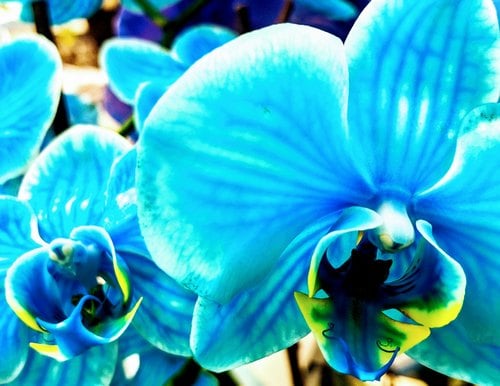
Orchids are one of the most beautiful flowering houseplants you can buy and yet they are just not good enough – according to some people. Commercial growers have found a way to add even more color to them so that you can enjoy blue, orange and even green orchids.
Why can’t you trust gardening information on the Internet? As part of my effort to bust gardening myths, I also try to understand how the myths are created in the first place.
I decided to run a test to illustrate why gardening information on the internet can’t be trusted. I hired someone to write an article on how to flower indoor plants more. How accurate will the information be? Will it be suitable for posting on one of my blogs?
Why Can’t You Trust Gardening Information on the Internet?
The popularity of indoor plants has skyrocketed in the last year and so have the myths surrounding them. I have gathered a long list of common houseplant myths to save you the trouble of making mistakes and getting into bad habits. Each myth has a brief description, and where appropriate, a link to a more detailed discussion.
Growing indoor plants is fairly easy if you take some time to research the plant you are growing and follow some basic rules. Don’t get sucked into internet hype about new ways to deal with problems. Experienced gardeners keep things simple.
Common Houseplant Myths That Save You Time and Help Plants Grow Better, photo by Proline
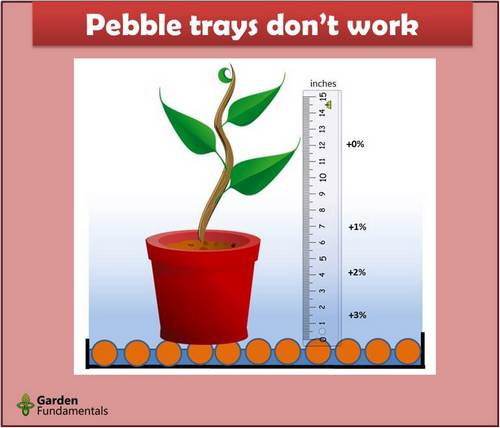
Indoor plants do better with higher humidity and there are several recommended ways to create this increased humidity. Some of these suggestions, like misting and pebble trays, have been used for many years and are still being recommended today. But do they work? Do they increase humidity and are they good for houseplants?
The heating we use in winter dries the air in our home and this makes it more difficult for plants to grow. The same thing can happen with air conditioning in summer. Tropical houseplants are particularly vulnerable.
What is the best way to increase the humidity around your indoor plants and how high should the humidity level be?
Increasing Humidity for Indoor Plants – Pebble Trays Don’t Work
You have probably heard that chlorine in tap water is harmful to plants. Some cities have switched to using chloramine in tap water and that is also a concern for plants because it is much harder to remove before watering indoor plants.
What is the difference between chlorine and chloramine? Will they harm your plants? How can you remove them from tap water? These are all good questions gardeners should be able to answer and in this post, I will help you do just that.
Chlorine, Chloramine and Plants – Everything You Need to Know
Lots of people take their left over tea and pour it over the soil of houseplants thinking that it does some good. Tea obviously contains chemicals and they might be good for plants. What about the milk, and sugar? Does it help plants grow?
Are any of the chemicals harmful to plants? Will the mixture cause bacteria or mold to grow in the soil? Sit back, have a cuppa and lets explore this habit of adding tea to houseplants.
I just returned from the grocery store and they had blue orchids for sale; both dendrobium and phalaenopsis. These colors are not natural on orchids so I decided to find out how they are produced. How long will the colors last? Do they need any special care?
Indoor plants have a great reputation for purifying the air in our homes. In Air Purifying Plants – Do They Work?, I debunked the idea that houseplants remove VOCs (toxic chemicals) from our home – it is just a well publicized myth. Several people commenting on that post and the post called A Garden Myth is Born – Plants Don’t Purify Air, to make the point that plants do more than remove chemicals – indoor plants increase oxygen levels in the air. This increased oxygen contributes a lot to our well being – or so people claim. Do houseplants increase oxygen levels in the home?
House plants don’t increase oxygen levels in the home.