Mycorrhizal Inoculant products have been around for more than 10 years but the number of products available is rapidly growing. Clearly manufacturers are finding customers willing to pay for these products, but are they worth the money? Do they work? Are companies able to provide solid evidence that their products work?
I have done an investigation and you will be surprised by the results.
It is winter, and time to close up our homes to keep the heat in and the cold winds out. It is also the perfect time to buy some more houseplants because, if you believe all of the headlines, they will purify the air in your home. This is especially important during the winter months when we keep the doors and windows shut.
Do plants purify the air in our home?
Google showed almost 4 million hits when I asked this question. The good news is that the top of the list shows my previous blog post – and it answers the question correctly. Almost all of the other 4 million hits give the wrong answer.
Is urine in the garden a match made in heaven or hell on earth?
Human urine is not commonly used as a fertilizer but we do use animal urine when it’s mixed with manure. Many gardeners have no issue with its use this way, but few would use human urine even if it is clean and free of feces. Is this just due to social attitudes or are there some a good reasons for not using urine. Is it safe? Will it burn plants? Can it spread human pathogens and what about all the drugs we use? Those can’t be good for plants?
Let’s have a wee look at using urine in the garden.
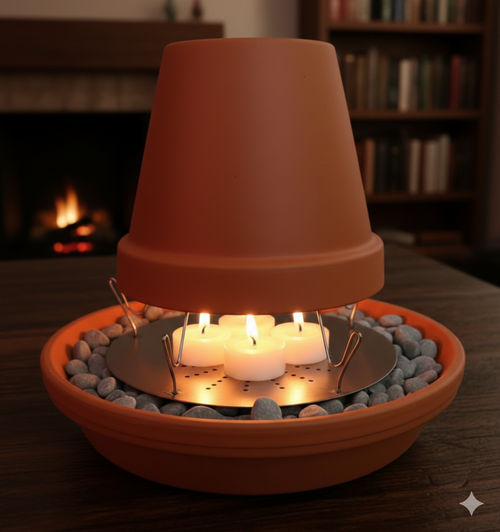
Homeowners and DIYers call them clay pot heaters, while commercial outlets make them sound fancy using terms like Tea Light Oven, Ceramic Radiators, or Terracotta Candle Heaters. Fancy ones on Etsy will run you $300 US? DIY options can be made for $15.
This idea may have started on TikTok a number of years ago, and it is still being promoted to heat rooms, trailer homes, and greenhouses. If you need to heat a space at a low cost, clay pot heaters might fit the bill – but do they work?
Gardeners have come to understand that the microbe population in soil is critical for healthy soil and healthy plants. There is also tremendous chatter on blogs and in social media about “doing the right thing” to increase microbe populations. Companies have packaged microbes to produce garden “probiotics”. Just sprinkle a bit on your soil and watch the magic happen. So I think we can agree that gardeners should take care of their existing microbes and work on increasing their numbers.
More microbes = healthier soil = happier plants
But ….. there is a catch. How does the gardener measure the current microbe population? If you can’t measure it today, how do you know that you have increased the population over time? How do you know which method of soil improvement worked the best?
Without a method for measuring microbes, you are flying blind. In this post I will discuss some lab methods, some DIY methods and some new technology that is just coming on the market.
Measuring the Number of Microbes in Soil – The Microbial Biomass, source: Alice Dohnalkova
The Lomi electronic composter by Pela is one of the more popular kitchen units offered today. They have great marketing that promotes the the machines benefits. It is good for the environment, it produces “strong” fertilizer, it reduces the amount of kitchen waste and it even composts some types of compostable plastic.
This post will look at some of these claims to see if they are true.
Lomi Electronic Composter – Are The Claims True?, Source: Lomi, used with permission
Lead is a toxic heavy metal that can be very harmful to your health. It has been used in a lot of products including paint, gasoline and cans of food. Lead levels in soil found along roads is higher than in soil located farther from the road and some people won’t grow vegetables in a front yard for this reason.
One reason people use raised beds is to grow food in soil that is not contaminated with lead. Is normal garden soil really a problem? Does the purchased soil that is used to fill the raised bed have lower levels of lead?
Should lead levels in produce be a concern and does organic food have less lead?
Bone meal, or bonemeal, is a common organic soil amendment and many consider it to be a good fertilizer. It is a “must add” when planting spring bulbs and it’s claimed to help plants establish after being moved by improving root growth. Plant not flowering? Add bone meal to make more flowers.
This sounds like a great product every gardener should use, but are the claims real or just myths?
Is sugar water good for plants? This is a very interesting question and one that leads to all kinds of fun facts about plants.
Even more interesting is how this myth plays out on the internet. In most cases, popular gardening sites promote the myth, but in this case they tell you NOT to use sugar water for plants, except in special cases. They then give a variety of reasons why sugar water is bad for plants, but these explanations are mostly wrong. They are creating new myths with their explanations!
Many of these writers ignore basic plant biology or are unaware of the correct facts. I’m going to try and sort this thing out for you.
What is the difference between straw and hay? I am always surprised at all of the misinformation that is spread whenever discussions start about using straw or hay in the garden. Which one has more weeds? Do they improve soil? Are lingering herbicides a problem? Should either be used in the garden?
The answers to these questions are quite simple if you first eliminate the myths and that is what I’m going to do in this post.
Myths About Straw And Hay In The Garden, source: Bob Dluzen
Mosquitoes are a big problem in many places, and ticks are becoming an even bigger concern. Fire ants are more localized, but they can be a real problem in the garden. Both folklore and modern-day experiences suggest a remedy for these pests based on callicarpa, the beautyberry. Some people plant it in the garden to reduce insect numbers. Others prepare various concoctions to spread on clothing or skin to keep pests off, and some just rub the leaves on their skin for a similar effect. One person even reported that she eats the berries and never gets bitten!
What does science say?
Does The Callicarpa Beautyberry Repel Insects Such As Mosquitoes, Ticks, Or Fire Ants?, source: Mt. Cuba Center