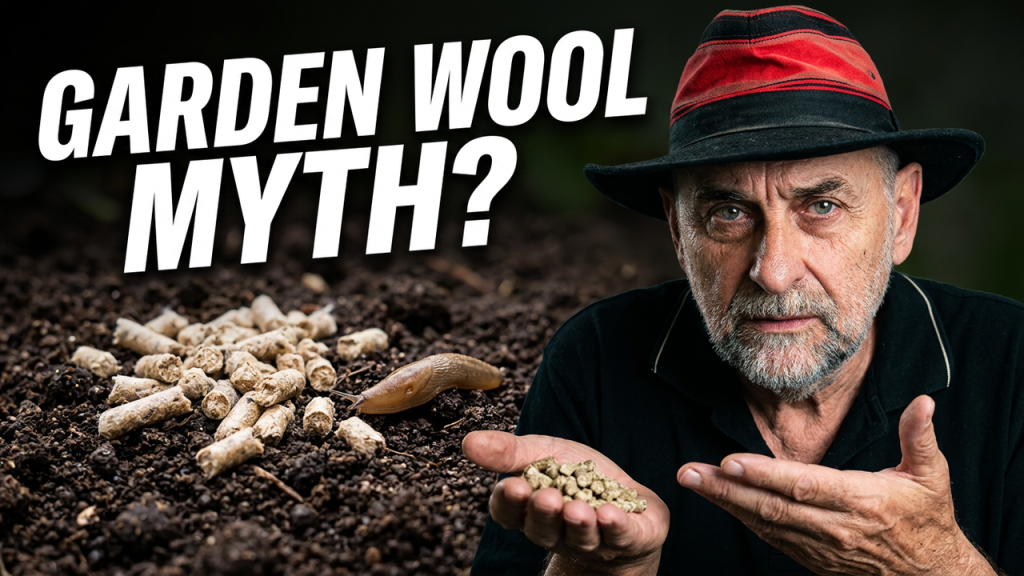
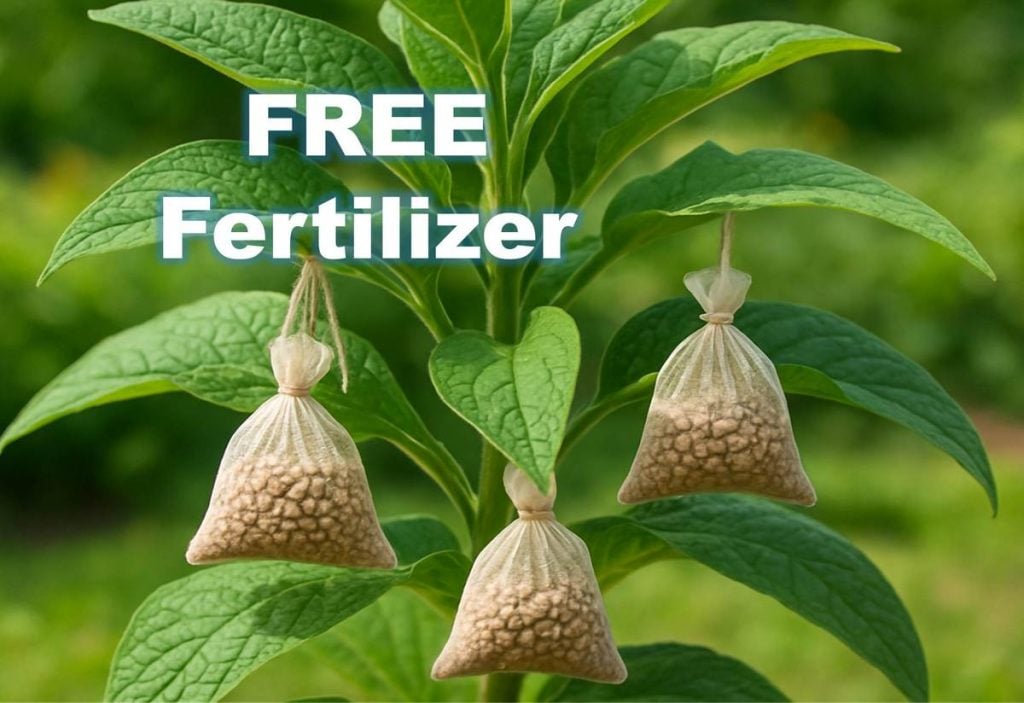
For millennia, wool has been prized as a textile fiber, valued for its warmth, durability, and moisture-wicking properties. Is it also a great soil amendment and fertilizer in the garden?
GMO food labeling compliance became mandatory starting June 23, 2025, but if you look at the label on processed food in the US, you wonโt see a GMO label.
The reason for this is that the FDA has decided to use a different term. The food will be labeled as โContains a Bioengineered food ingredientโ. The word Bioengineered (BE) is replacing the term GMO.
The general public has been asking for GMO labeling on food for many years. After spending many millions of dollars, they now have their wish.
I’ve been writing about garden myths for about 15 years, and there are still many more that need attention. I have over 300 started posts that could be finished.
However….. I am also interested in a wider range of myths and it is time to widen the scope of my myth busting.
You might have noticed I have started writing about food and food nutrition myths, and even climate change. So far I have dabbled in these but now it’s time to follow this interest more deeply.
I have decided to start a new venture called Reality Time.
I know that many of you think that this question has already been settled and that 97% of scientists agree that global warming is anthropogenic, i.e., it is human-caused.
The question is far from being settled
The goal for this post is to present some of the arguments presented by both sides of the debate.
Key Takeaways
There is clearly no consensus about climate change among scientists.
There is no consensus about the extent of human-caused global warming.
We know a lot less about the climate than we have been led to believe.
Society has been misinformed by the news – no surprise there!
Gardeners talk a lot about dynamic accumulators, and they are important for techniques such as permaculture and regenerative agriculture. The problem was that we didn’t have an accepted definition for them – nobody agreed on what they were.
The science of dynamic accumulators has recently advanced, and we now have a proper definition, an extensive database of possible candidates, as well as some research supporting claims about them. There is also new testing of weed teas made from them.
This may become more important to gardeners than you realize.
Key Takeaways
We have an official definition for Dynamic Accumulators.
About 10% of plants in the database qualify as dynamic accumulators for at least one nutrient. None qualify for all nutrients.
Nutrients in weed tea are lower than most people expect.
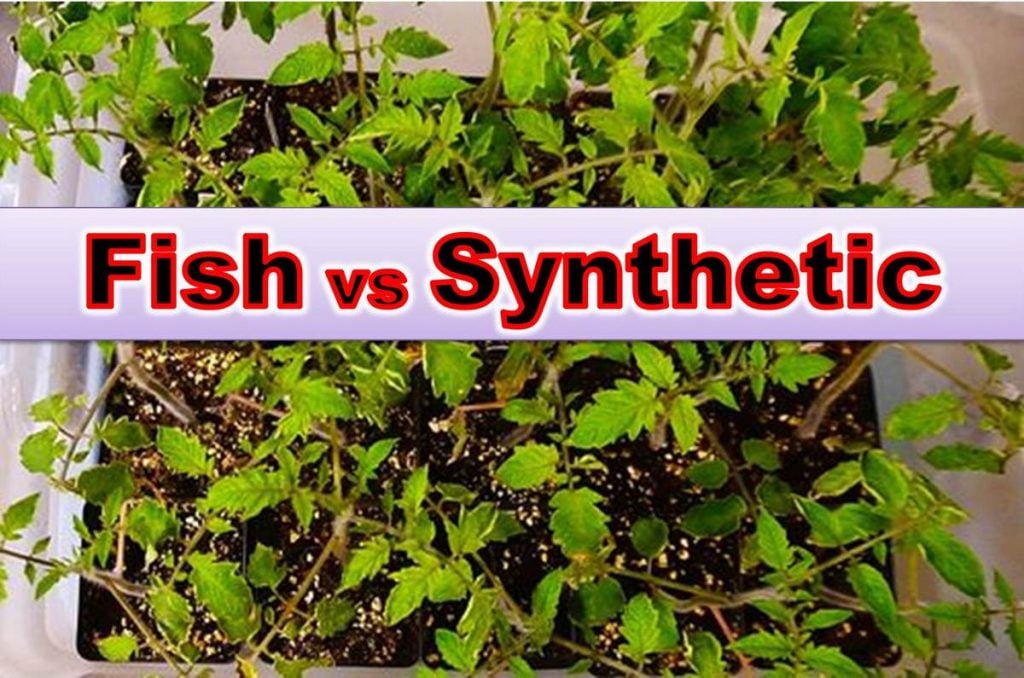
Is fish fertilizer better than a synthetic fertilizer like Miracle-Gro?
If you read the advertising for fish fertilizer, you might conclude that it will grow much better plants, but those same products don’t show you any data to support the claims. Where is the proof?
I decided to run my own test to see if fish fertilizer grows bigger tomato plants.
Lots of people in warmer climates grow Streptocarpus outdoors, but what about growing them outdoors in colder climates where winter is so cold that they won’t survive?
It does not seem to be a common practice, but since I do a lot of outdoor gardening in zone 5, I had to try it. Here is what I have learned.
The common advice for growing streptocarpus is to plant fairly shallow. Soil should not go much higher than the top of the root ball, or the plant will rot and die.
However, you are also told that to propagate the plant vegetatively, you should take a leaf or part of a leaf and plant it an inch or two deep. I usually plant these leaves about an inch deep, and they grow just fine.
Streptocarpus are also known to form plantlets from roots, deep in the pot (see image further down in this post). These grow underground for quite a long time before the tips reach above the surface of the soil.
How can all of this conflicting information be correct? Is this another Streptocarpus myth? I decided to test the claim that planting deep will cause Streptocarpus to rot and die.
Flowering streptocarpus RP193 from Experiment 25
Key Takeaways
Planting deeper will not kill a streptocarpus plant.
Japanese knotweed is one of the most notorious invasive plants in temperate gardensโbut itโs also one of the most misunderstood. Letโs bust some myths and explain the latest science on how to control it.
Bats have long been shrouded in mystery and misconception. Their nocturnal habits, unique appearance, and association with darkness have fueled numerous myths and superstitions. This article aims to dispel these falsehoods, revealing the true nature of these vital mammals. Learn to appreciate and understand them.
Fertilizer prices have gone up quite a bit in the last few years and that is especially true for commercial gardening products. There is also a wide range of prices for similar looking products.
Are the higher prices worth it? Are you paying too much?
Last week we reached the 20 million visitor mark on this blog and I want to thank all of you for supporting this site.
The very first post was called, What Does Organic Mean, and it was posted on September 6, 2012. I was getting fed up with all the myths I was seeing in gardening literature and online and thought that I might be able to change a few minds. At the time, I figured I had enough material for about 100 myths. I have now posted 688 articles containing some 2,000 myths and have another 326 drafts started. I won’t run out of material any time soon!
I’d like to thank you for reading my posts and I want to ask for your help. Go to your favorite social media outlet and post a link to this post. Let others know how much you like this site. Let’s get to 30 million soon.
To celebrate I thought I would go back in time and review some of the most important articles.
20 Million Visits to Garden Myths – Time to Celebrate