One of the most frequently asked questions from new gardeners is, when should I start my seed indoors? It all seems so complicated with many different types of seeds, both vegetables and flowers. This post will simplify the answer for you.


One of the most frequently asked questions from new gardeners is, when should I start my seed indoors? It all seems so complicated with many different types of seeds, both vegetables and flowers. This post will simplify the answer for you.
“Virtually every year, a new product appears on the market that claims to be the answer for the elimination of mosquito nuisance. In nearly every case, the promotion is accompanied by a great deal of advertising, but the merits of the product are rarely backed with scientific testing. The American public has invested billions of dollars in zappers, repellers, and plants that claim they will keep mosquitoes from biting. ”
This quote is from Dr. Wayne J. Crans, Professor of Entomology, Rudgers .
In this post I will review a number of products for keeping mosquitoes away and determine if they work. Unless specified differently, the following quotes are taken from Dr. Crans’ report.

There are mosquito apps for your smart phone that are designed to keep mosquitoes away. You can even view a Youtube video that does the same thing. In both cases, a high frequency sound is emitted that scares skeeters away.
This sounds like great technology since most people now have a smart phone. When you go outside, all you have to do is turn on the app and enjoy a mosquito-free environment. No more bites and you don’t need to lather on chemicals.
This is a case of where a little science has been used to create a new gardening myth and make some money.

Straw bale gardening has a small but steady following. Historically, it has been used for a long time, but fell out of favor as more traditional gardening practices developed. In recent years it has seen increased interest but so far it is mostly a novelty form of gardening. Is this a technique we should all be using?
In this post I’ll look at the claimed benefits and examine the pros and cons of the system.

There seems to be a big surge in interest for attracting dragonflies to gardens and many online sources are suggesting the best plants for the job. Titles include, 12 Best Plants to Attract Dragonflies and Best Plants to Create a Dragonfly Garden. The lists include things like rudbeckia, milkweed, yarrow and sage.
But do plants really attract dragonflies? And if they do, which plants work best?

You have probably heard the name; hugelkultur gardening (pronounced Hoo-gul-culture), but few people have actually tried it. It is also now being used to make hugelkultur raised beds.
Is this a gardening technique that you should try? What does the science say about it? Should we all stop what we are doing and make hugels?

This post uses affiliate links
Dragonflies are great aerial acrobats and fun to watch. They are a nice addition to any garden and they eat large numbers of mosquitoes. The best way to attract them to your garden is to create a dragonfly pond which will give them a place to breed and raise their young.
In this post I’ll provide the information you need to build such a wildlife pond.

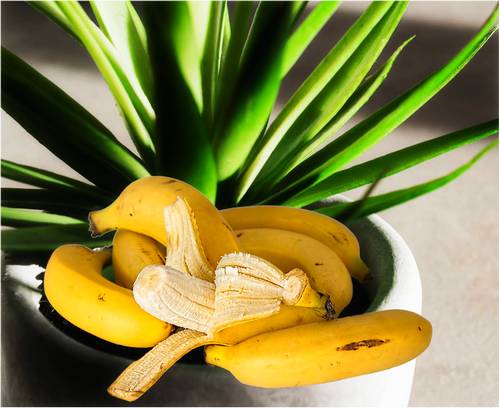
Banana peels are great for your plants, or at least that is what the internet says. You should bury some peels in the bottom of the hole when planting roses. You can add them to water and let them sit for a few days to make banana peel tea, an excellent fertilizer for indoor plants. Try drying them into a black leather and then crushing them to make banana skin powder which is great for the garden. I even found one web page that makes a fertilizer spray out of them.
Eating banana peels is also a hot topic and they reportedly provide all kinds of health benefits and even whiten teeth.
Lets have a look at the reality of banana peels for plants. Are they better than just another source of organic matter?
A few times a year I’ll see a meme float through social media telling gardeners they can die from soil borne diseases. The most recent of these was one for Legionnaires’ disease in New Zealand. I have also seen them for Tetanus, and I recently got my booster shot, just to be sure. For years I’ve been reading that sphagnum peat moss also carries a nasty bug.
As I write this, the news is saturated with information about the coronavirus and people are suiting up with masks and body armor. Should gardeners be doing the same thing when they head out into the garden? Should we wear masks and latex gloves to stay safe?
I decided to write a blog post about soil borne diseases that gardeners can get and try to uncover the myths about them. I expected to find 4 or 5 diseases and write a bit about each one so that I could try to understand this problem better.
You will be very surprised at what I found.

It is becoming popular to ascribe human characteristics to plants and the latest headlines say, Scientists Discover That Trees Have A “Heartbeat”. Imagine that, soon trees will be falling in love with each other.
Plants are extremely interesting organisms, but this habit of making them sound animal-like is confusing a lot of people. In a Facebook Group, gardeners started to question the harm we do to trees when we prune them – does it affect their heat? Do they feel pain?
This myth has a very clear beginning and illustrates how many modern day myths get started.


Edraianthus horvatii is a small companula-like plant with vivid blue flowers. It is not very common in gardens but deserves more attention.
You have probably heard the story that grass is greener after a lightning storm, but is this really true?
How can lightning affect the color of your lawn? Let’s shed some light on this story.
